
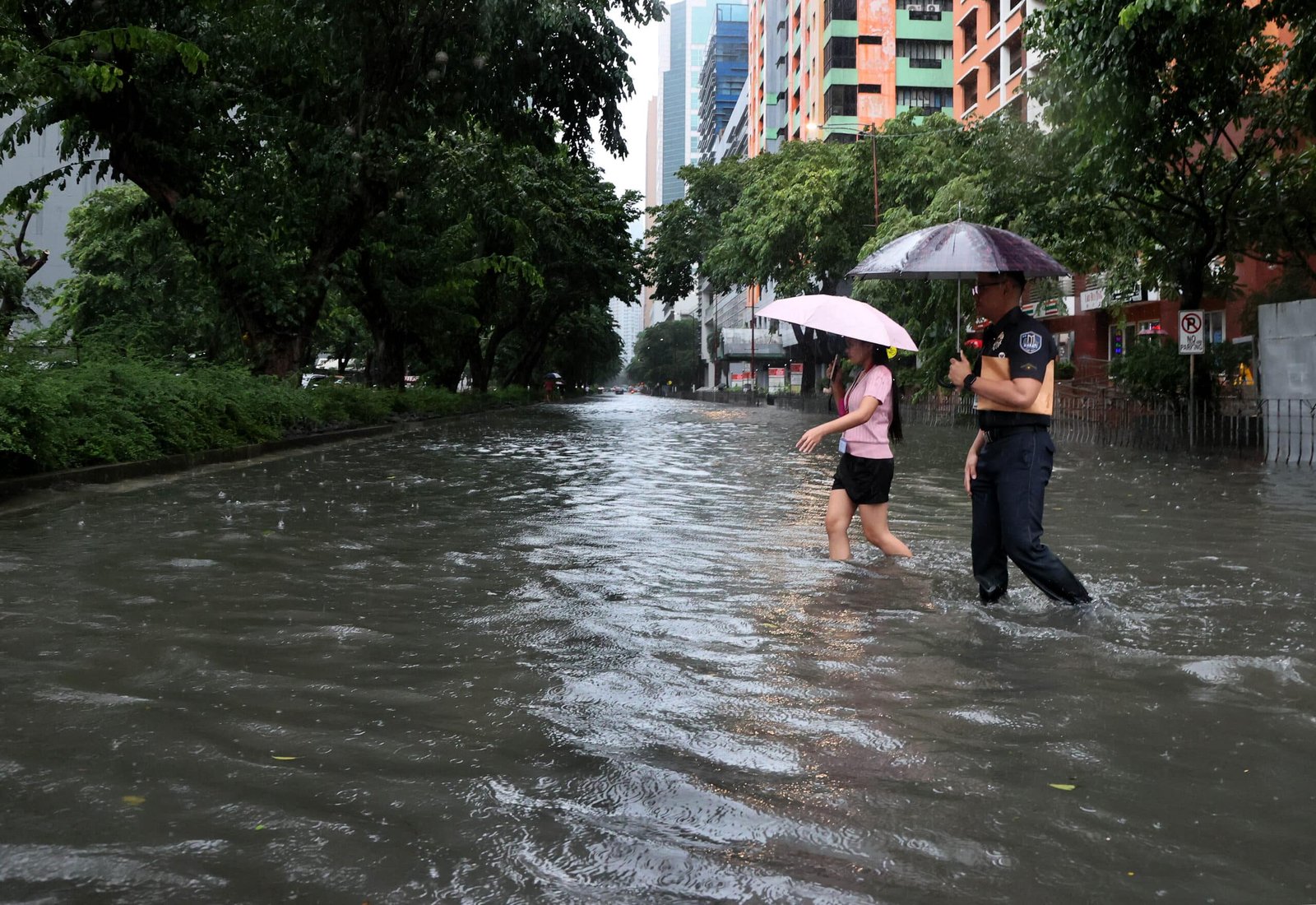
On September 25, 2026, the Philippine News Agency reported that the Department of Public Works and Highways was linking a proposed Parañaque spillway, upstream dams, retarding basins, and local drainage systems into a broader flood-management plan for Metro Manila. The report said the details were discussed during a Senate hearing on the agency’s proposed 2027 budget.
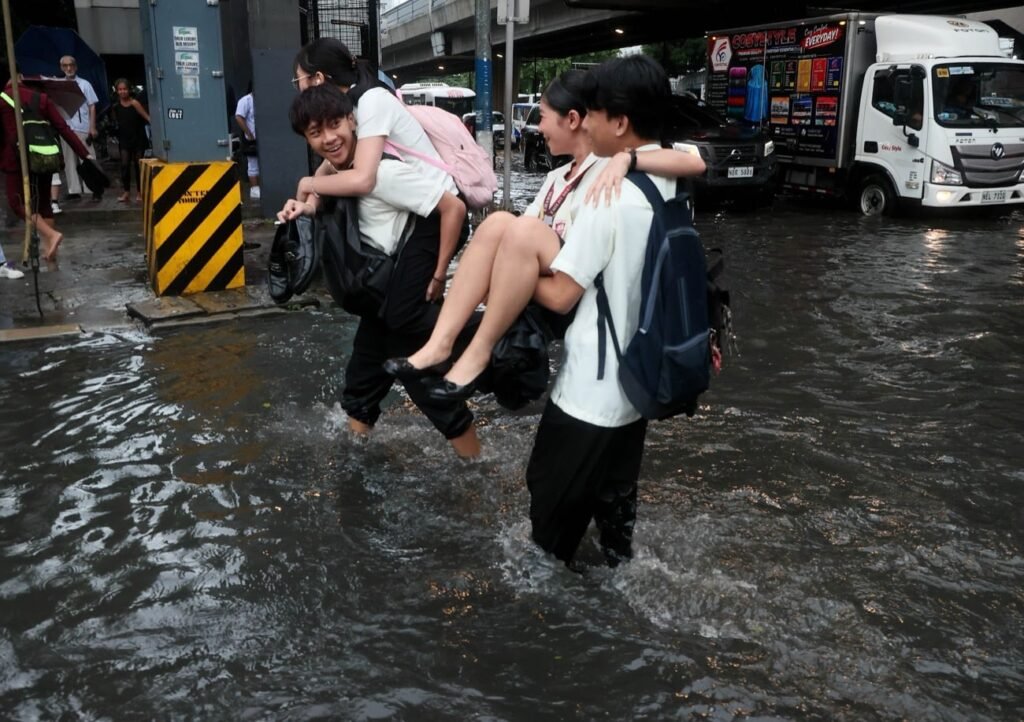
For someone who is new to the Philippines, this story is interesting because it connects a national policy discussion with an everyday experience of city life. Heavy rain can affect how students travel, how long commutes take, and how people plan their day.
The story also reminded me that living in a city means learning its environmental realities. A place can be exciting and welcoming while still having challenges that residents have to understand and prepare for.
The proposed flood-management approach described by PNA involves several kinds of infrastructure rather than relying on a single project. The report specifically mentioned a combination of a spillway, dams, retarding basins, and local drainage systems as parts of the broader plan.
I find the combination interesting because it shows how complicated urban problems can become. Flooding is not something that can necessarily be understood by looking at one street or one drainage canal, because water movement connects different parts of a city.
As a student, I usually think about infrastructure in practical terms. I want to know whether I can get to class, whether roads are passable, and whether I need to leave earlier than usual.
Reading the news gives those everyday questions a wider context. It shows that the conditions students experience on the ground can be connected to decisions made through government planning and budgeting.
This is also why I think international students should read local news. News helps you understand why certain issues matter to the people around you instead of experiencing the city only through campus life or social media.
The September 25 report is also useful because it gives a specific date and identifies the government agency discussing the plan. That makes it easier for readers to distinguish a current policy discussion from older information about flood-control projects.
Of course, a proposal or budget discussion does not automatically mean that every planned project has already been completed. The difference between a proposal, an approved project, and a finished project is important when reading current-affairs stories.
I am still learning how to read Philippine news as someone who did not grow up here. I have to pay attention to local institutions, place names, and the background of issues that Filipino readers may already know.
This process has made me more aware of how journalism can help newcomers understand a place. A news story can become a bridge between an unfamiliar event and the everyday life of someone trying to make sense of a new city.
For me, the flood-management story is therefore not only about infrastructure. It is also about learning to see Manila as a living city whose challenges, plans, and public conversations affect the people who study, work, travel, and live here.

Vietnamese girl + Manila college life = endless culture shocks. I’m a Communication Arts student exploring the funny, surprising, and sometimes confusing differences between Vietnam and the Philippines. Basically, I’m here to answer one question: Pho real? 🍜